General Contractor: Your Ideal Contractor for Home Improvements
A general contractor assumes a essential role in home projects. They direct assorted components of construction, ensuring that processes function smoothly. Their proficiency with construction codes and matching information compliance requirements allows them to navigate the intricacies of permits and evaluations. This expert functions as a critical link between clients and specialist contractors. However, many homeowners stay unsure about the total scope of their services. Knowing these details can have significant bearing on the success of any renovation project endeavor.
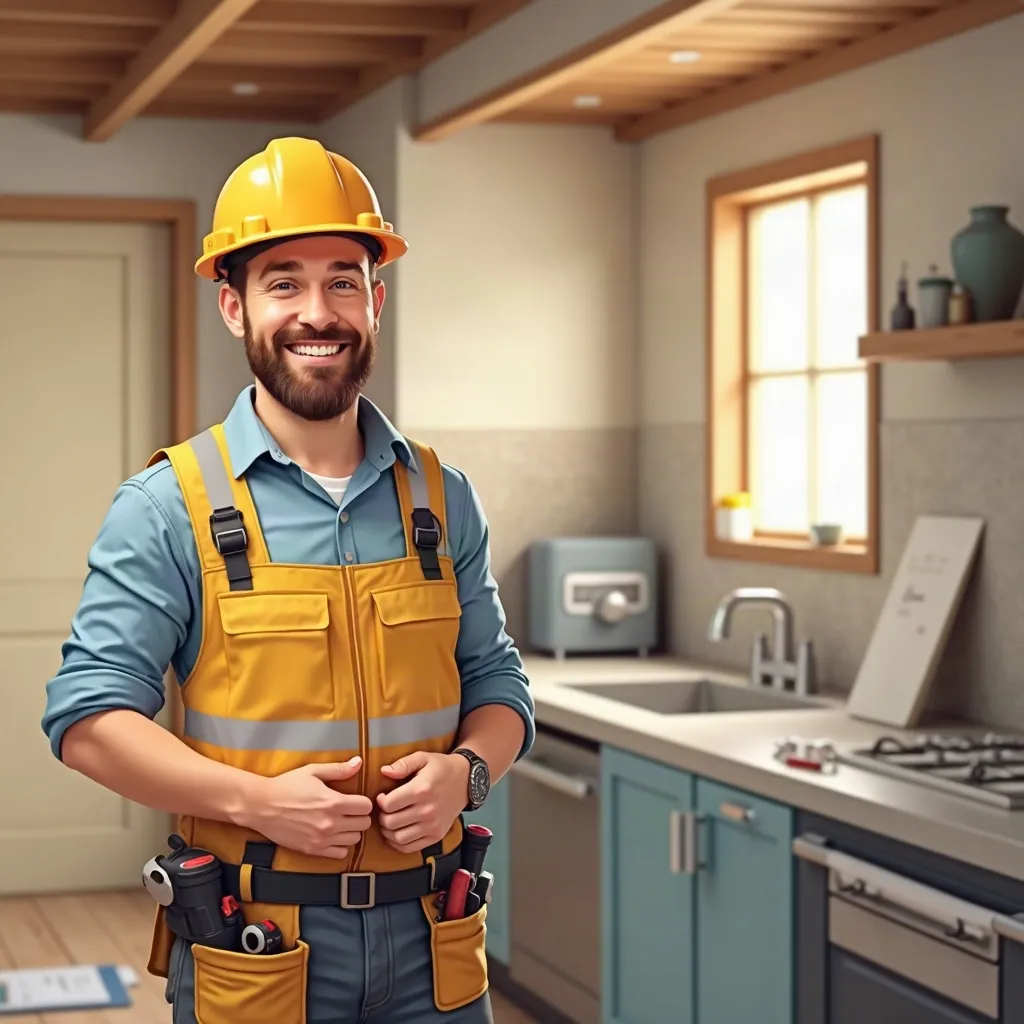
What Does a General Contractor Accomplish?
A construction coordinator orchestrates the diverse facets of a construction project, confirming that all operations flow without issue from opening to closing. They represent the primary point of contact, directing communication between stakeholders, contract workers, and suppliers. This function involves planning the project timeline, arranging labor, and ensuring compliance with local building codes and ordinances.
General contractors are responsible for acquiring required licenses and arranging inspections, which are vital for upholding safety and quality benchmarks. They also manage budgeting, sourcing materials, and managing on-site activities to mitigate any potential delays or issues. In addition, they oversee subcontractors, ensuring that each phase of construction aligns with project specifications and timelines. Overall, a general contractor's knowledge and management abilities are crucial for completing a successful construction project, transforming a client's vision into reality while managing multiple duties and obligations.
Benefits of Retaining a General Contractor for Home Renovations
Contracting a professional builder for home renovations provides countless benefits that can substantially enhance the quality and efficiency of the project. General contractors bring specialized knowledge in project management, making sure that schedules are kept and resources are allocated efficiently. Their established connections with specialized contractors can generate better rates and excellent craftsmanship, which finally benefits homeowners regarding both time and money.
Furthermore, general contractors handle the intricate details of permits and inspections, limiting conceivable compliance concerns. They also supply a one main contact, simplifying communication and coordination among multiple specialists. This streamlining reduces the probability of misunderstandings and delays.
Furthermore, their expertise allows them to foresee potential challenges, enabling preventative measures to maintain the project on track. By engaging a general contractor, homeowners can focus on their vision while enjoying peace of mind, understanding that a professional is managing every aspect of the renovation.
Clearing Up Misconceptions Regarding General Contractors
Although many property owners may have misunderstandings about contracting professionals, grasping the facts can lead to more informed decisions. A widespread myth is that hiring a general contractor is not essential for small projects; still, their expertise can streamline even minor renovations, ensuring conformance with local codes. Another frequent belief is that general contractors are just middlemen, but they often have comprehensive knowledge in different fields, allowing them to direct projects smoothly. Moreover, some homeowners assume that working with a contractor will greatly raise costs. In reality, a experienced contractor can often obtain better deals for materials and labor through long-standing relationships with vendors and subcontractors. Lastly, many think that contractors are unbending, but trusted contractors focus on client communication and work closely to satisfy specific needs. Dispelling myths can empower homeowners to harness the true value of general contractors when completing successful home projects.
How to Choose the Right General Contractor?
How can homeowners guarantee they choose the right general contractor for their jobs? The process starts with comprehensive investigation. Property owners should seek recommendations from friends, family, or online reviews to find potential candidates. Once a list is compiled, verifying credentials, such as licensing, insurance, and bonding, is crucial to confirm credibility.
Next, homeowners should request and review portfolios of past projects, concentrating on assignments of comparable size. Setting up interviews allows homeowners to assess fit, discussing schedules, costs, and requirements. It's also advisable to get several estimates for comparison, offering a better grasp of costs.
Assessing references provides insight into a contractor's reliability and professionalism. Finally, trusting one's instincts is crucial; an opening discussion can reveal much about a contractor's way of communicating and methodology. By following these steps, homeowners can significantly boost their likelihood of picking a general contractor who matches their project needs and vision.
Powerful Messaging Tactics To Use With Your General Contractor
How might homeowners employ approaches to ensure effective communication with their general contractor? Establishing transparent discussion from the commencement is essential. Homeowners must distinctly articulate their requirements, project targets, and spending restrictions during initial meetings. Ongoing reports can be facilitated through arranged gatherings, confirming that both parties stay synchronized throughout the project.
Using written documentation, such as emails or project logs, helps strengthen verbal agreements and reduces misunderstandings. Homeowners should also encourage open dialogue by soliciting input and inquiries from the contractor, fostering a cooperative atmosphere.
Furthermore, capitalizing on tech solutions, such as project management apps, can facilitate team dialogue by establishing a single location for relaying updates, timelines, and changes. Finally, maintaining politeness and openness can strengthen mutual understanding, making it more straightforward for the contractor to raise challenges or suggestions in a meaningful way. By executing these techniques, homeowners can establish a fruitful and honest connection with their general contractor.
What You'll Learn When Your Initiative Launches?
When the project gets underway, homeowners should prepare for a surge of activity on-site. The construction manager will oversee teams of skilled tradespeople, comprising electricians, plumbers, and carpenters, who will begin their work in accordance with the agreed-upon schedule. Homeowners may spot large equipment and supplies being delivered, producing a bustling setting.
Communication remains vital during this stage. The contractor will give progress reports on progress and handle any concerns that occur. Homeowners should prepare for possible interruptions, such as noise and restricted entry to certain areas of the home.
Safety measures will be in place to safeguard both workers and residents, guaranteeing a secure setting. Additionally, homeowners may be encouraged to preserve flexibility, as unexpected problems can arise, requiring adjustments to the original plan. Overall, this initial phase lays the groundwork for the successful completion of the project, and active engagement is essential.
Key Questions for Your Primary Contractor Agreement?
Pinpointing the right topics to discuss when completing a general contractor agreement is imperative for assuring a smooth project. Homeowners should inquire about the contractor's license and insurance to establish their qualifications and protection against liabilities. Understanding the project timeline and targets is critical; therefore, asking about estimated completion dates helps establish expectations.
It is also vital to outline financial conditions, encompassing initial payments and installment plans, to sidestep miscommunications. Residents should obtain a detailed breakdown of costs, encompassing materials and labor, to guarantee openness. In addition, talking through the process for managing adjustments or unforeseen issues can thwart conflicts in the future.
To wrap up, homeowners must find out about subcontractors and their experience, as well as the contractor's communication strategy throughout the project. By tackling these questions, property owners can nurture a productive relationship with their primary contractor, ultimately enabling a successful home project.
Frequently Asked Questions
What Methods Do General Contractors Use to Invoice for Their Services?
Contractors usually charge through fixed fees, hourly rates, or a proportion of the overall budget. Their pricing model may include materials, labor, and overhead, based on the intricacy and breadth of the project.
Can a General Contractor Provide Support With Authorizations and Inspections?
Yes, a general contractor can help with obtaining permits and managing inspections. They typically navigate local codes and guarantee compliance, streamlining the process for homeowners while facilitating necessary authorizations throughout the construction project.
What Qualifications Should I Review in a General Contractor?
When selecting a general contractor, one should consider qualifications such as licensing, adequate insurance, experience in relevant projects, strong references, and strong communication abilities, guaranteeing they have the necessary expertise to manage the project effectively.
What Timeframe Should You Anticipate for a Typical Home Renovation Project?
A ordinary home remodeling job can span anywhere from a few weeks to several months, reliant on the breadth, complexity, and size of the project, as well as the supply of materials and labor.
What Takes Place if My Undertaking Exceeds Budget?
Should a project exceed the budget, the contractor usually communicates the causes and alternatives with the property owner. Adjustments may involve reducing costs, seeking additional funding, or revising the project scope to align with budget constraints.